Cleaning waste-oil stains, tiles and grout
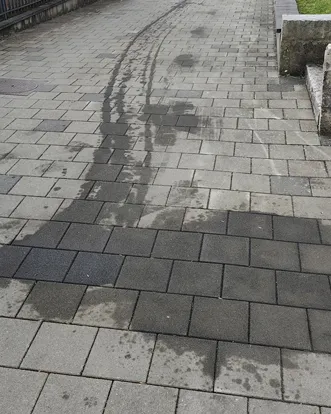
Cleanlaser assesses oil stains on stone floors, paving and terraces, as well as deposits on tiles and grout. Material, surface condition and the depth of oil penetration determine the appropriate treatment.
Applications and preliminary assessment
- Cleaning after accidental waste-oil spills
- Removing oil and grease deposits from commercial kitchen extraction hoods
- Tile cleaning in restaurants
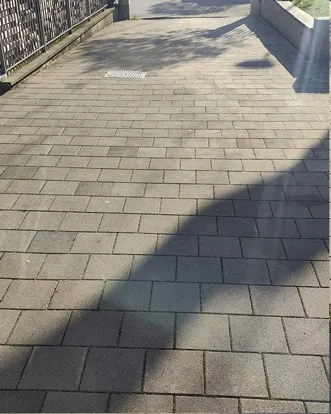
- Removing oil stains from paving stones and floors
Oil can penetrate porous materials deeply. A preliminary trial assesses the achievable result; complete removal of every trace cannot be guaranteed. Oil and grease deposits on commercial kitchen extraction hoods are also assessed beforehand.
Working throughout Switzerland
Based in Villeret, we work across all 26 cantons depending on the project and access conditions. Tell us the location, material, dimensions and deposits to remove.
Preparing laser cleaning: material, condition and access
Suitability depends on the surface, the deposits and the intended result. Coatings, joints and sensitive areas are considered during preparation. A limited trial area helps assess the material’s response and the appearance that can be achieved. Surface deposits, absorbed discolouration and existing damage are assessed separately. This helps define the cleaning objective before treating the full surface.
Oil can penetrate below the visible surface of porous floors. Removing surface deposits and reducing an absorbed stain are different objectives. The age of the stain and existing sealants influence the achievable result.
What information helps with an assessment?
Provide the project location, approximate dimensions, known materials and previous cleaning attempts. For metal parts, describe corrosion and the planned finish; for stone, mention porosity, joints and existing damage. Also explain access conditions and identify areas that must remain unchanged.